

Hazardous Waste
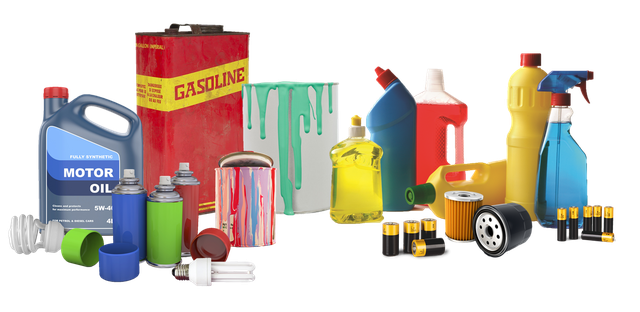
Hazardous wastes have flammable, toxic, corrosive and reactive properties which present a variety of human and environmental health risks. They need to be managed properly to keep harmful waste out of the environment and should never be placed in garbage or recycling bins.
Many items used around the home, including cleaning, gardening, and chemicals used to repair things are considered hazardous. Some examples of hazardous products are aerosols, anti-freeze, fertilizers, motor oil, paint supplies, photo chemicals, poisons and solvents. To identify these wastes, look for warning, caution and/or danger labels.
Protect wildlife and human health by keeping hazardous waste out of waterways and the environment.
To learn more about household and business hazardous waste visit these pages.
How to reduce your use of hazardous waste
- choose less-toxic products
- select or make your own safer alternative products when you can
- buy only what you need and will use in a reasonable amount of time
- share leftovers with those who need them
Common hazardous items
NOTE: not all of these items are accepted at the household hazardous waste collection events. Please check the schedule.
- ammunition (small arms)
- antifreeze
- aerosols, air fresheners, and deodorizers
- art, craft, and hobby chemicals
- batteries: vehicle, rechargeable, button, alkaline batteries
- beauty products such as fingernail polish and remover, and some hair products
- cleaner: bleach, detergents, degreasers, disinfectants, drain cleaners, deck cleaners, hand cleaners, oven cleaners, polishes, waxes
- colorants and tints
- compressed gas cylinders
- explosives, fireworks, and flares
- fire extinguishers
- flea control products
- fluorescent, lamps, tubes. light ballasts—please remove from the light fixture
- gasoline, kerosene, diesel fuels, lighter fluid
- glues, epoxies, adhesives, and caulking compounds
- lawn and garden chemicals: moss killers, fertilizers, herbicides, pesticides, poisons
- mercury-containing items: ballasts, barometers, blood pressure gauges, fluorescent lights, high-intensity discharge (HID) lamps, silent wall switches, thermometers-medical and household, thermostats
- motor oil, lubricating oils, windshield cleaners, brake fluid, transmission fluid, antifreeze
- paint and paint products (latex and acrylic paint, spray paint, marine paint, automotive paint, oil-based paint, enamel, stains, lacquers, shellacs, varnishes, primers, wood preservatives, paint additives)
- poisons
- pool and spa chemicals
- propane tanks and cylinders
- roof patching and repair materials
- solvents, resins, thinners, mineral spirits
- tar, pitch, and bitumen-based products
Resources:
- Toxics and Hazardous Waste Reduction Resources
- The Hazardless Home Handbook
- EPA Household Hazardous Waste